
Legacy Needs Durability
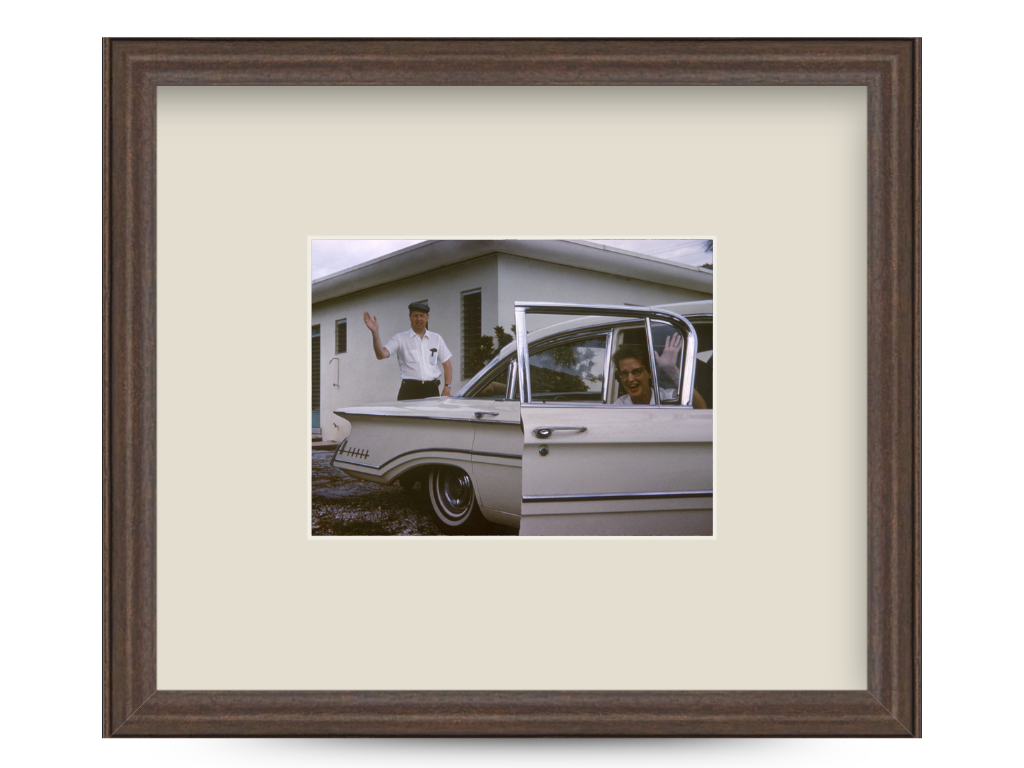
For wealth advisors, legacy work ultimately comes down to one word: continuity.
Just as families insure homes, businesses, and portfolios against loss, preserving family legacy deserves the same level of foresight. An entire family story should not be vulnerable to a single point of failure — or wiped out by a flood.
One of the most overlooked aspects of legacy planning is durability.
Families spend time thinking about what they want to pass on: values, purpose, memories, and money. Far less time is spent thinking about whether those things will still exist — and be accessible — years or decades from now.
Most legacy artifacts still live on paper. Letters. Journals. Photo albums. Scrapbooks. Heirlooms. Handwritten notes.
That is not accidental.
Why Paper Has Lasted So Long
Paper has endured for thousands of years for simple reasons:
It doesn’t require power or electricity
It doesn’t rely on software, updates, or passwords
It can be read anywhere, by anyone
Paper is accessible and intuitive. Anyone can find a notebook or write something meaningful on the back of a napkin.
There’s a reason so many lasting ideas began this way. One of the most famous: the original route map for a major airline was sketched on a napkin. The format didn’t matter. The insight did.
Paper survives because it’s simple. And that simplicity has made it a natural home for family letters, personal reflections, and documents that capture values across generations.
Where Paper Reaches Its Limits
But durability is not the same as permanence.
Most legacy letters, reflections, or journals exist as a single copy. When that copy is lost, the insight or meaning attached to it is often gone forever.
We’ve heard stories of family letters destroyed in fires. Photo albums lost in floods. Journals misplaced in moves. Wedding speeches and eulogies damaged over time.
Paper works best when protected. It struggles when it stands alone.
The Case for Redundancy
Doing legacy planning well doesn’t mean choosing paper or digital. It means choosing both.
Redundancy is another form of insurance. It reduces regret. It adds protection. And it increases the odds that your client’s most meaningful thoughts and moments survive long enough to be shared — and remembered.
Some things are simply too important to exist in one form.
Paper can be the original. A secure digital copy can serve as the backup. That combination is what makes legacy durable.
What Belongs in a Legacy Vault
Durability doesn’t mean saving everything.
When everything is preserved, nothing stands out as important.
Legacy work is about discernment, not data storage.
Inside FamilyOS by Total Family, families have access to their own Legacy Vault — a dedicated place to store the stories, reflections, and personal documents that matter most.
What belongs in the vault are the things that would be impossible to recreate — and painful to lose:
A letter to a child
A eulogy or milestone speech
A reflection after a major decision
A story about how the family got started
A list of personal or family values
A record of what mattered most during key moments
This isn’t about documentation. It’s about emotional inheritance.
The tradeoff is simple:
Backing up something meaningful takes minutes.
Losing it forever carries a cost most families would never willingly accept.
Advisor Questions to Introduce Durability
Wealth advisors don’t need to be archivists. But they do play a key role in helping clients preserve what matters.
The best entry points are simple, grounded questions like:
Are there any stories or moments you’d be heartbroken to lose?
If your children or grandchildren could only read one thing from you, what would it be?
Which parts of your family story would you want to be understood, not just remembered?
These questions help clients clarify what’s irreplaceable — and signal that the advisor sees legacy as more than just assets.
Why This Matters at the Firm Level
When advisors help families preserve meaning across generations, something powerful happens:
The advisor becomes a keeper of the family story.
Over time, the firm does too.
That creates institutional knowledge. Not just of a family’s financial plan — but of their Values, Purpose, Roles, and long-term intent.
If a family feels their identity is only known by one advisor, the relationship is fragile.
If they know the firm understands their legacy, the relationship becomes durable — and transferable.
That is a real differentiator.
Durability, Defined
Durability in legacy is redundancy plus intention.
It means ensuring the most meaningful parts of life are protected, passed down, and available to future generations.
Advisors don’t need to build the system — they just need to help clients take the first step.
Whether that’s writing a legacy letter, recording a story, or storing a speech — it’s about choosing to preserve what matters.
That is the heart of doing legacy well.
And it’s one of the most valuable things a wealth advisor can help make possible.
